Have you ever walked into a classroom full of unfamiliar faces, a new environment, and tons of material to teach, still trying to make a big impact on your students?
This is what a substitute teacher goes through each day as they enter a new classroom. While you choose to become a substitute teacher, it’s far more than earning a few more dollars in a side hustle. It’s a passion that drives you towards those classrooms.
However, the real game begins when you enter a real classroom, and you quickly realize the job involves far more than simply covering for an absent teacher. It requires patience, confidence, empathy, communication skills, and the ability to adapt under pressure.
If you are among the passionate substitute teachers looking to make your side hustle perfect. You should look for a substitute teacher book that guides you and enlightens you about your journey.
One such resource is the book, So You Want to Be a Substitute Teacher, in which Dr. Jimmy R. Harper shares firsthand experiences that reveal the realities of the profession. His message is honest and practical: substitute teaching is rewarding, but it is also one of the most underestimated roles in education. For anyone searching for genuine substitute teaching advice, his experiences offer valuable lessons about what the job truly demands.
What Does a Substitute Teacher Do?
One of the most important questions to answer before you take on the role is what a substitute teacher does. In reality, substitute teachers are responsible for maintaining the learning environment, managing classroom behavior, following lesson plans, and keeping students productive until the regular teacher returns.
Dr. Harper introduces you to the harsh reality of being a substitute teacher, where students immediately test your boundaries. Some students may refuse work, challenge authority, or assume the day will lack structure because their regular teacher is absent. Understanding what to expect as a substitute teacher helps new substitutes prepare mentally before stepping into that environment.
A substitute teacher is also expected to maintain professionalism while managing a room full of different personalities, learning levels, and emotional situations. That responsibility can feel overwhelming at first, especially for beginners.
Understanding Common Substitute Teacher Challenges
In light of Dr. Harper’s experiences, one of the biggest challenges for substitute teachers is earning students’ respect quickly. Unlike full-time teachers who build relationships over time, substitutes often have only a few minutes to establish authority and create order.
Dr. Harper shares how students sometimes enter class already planning not to work or intentionally test the substitute’s patience. Behavioral issues, lack of motivation, and classroom disruptions are common realities. Students may also bring emotional stress, family problems, or outside distractions into school, which can directly affect classroom behavior.
Another challenge is unpredictability. Every classroom operates differently. Elementary, middle, and high school students respond differently to authority and structure. According to Dr. Harper, younger high school students often require more behavioral guidance, while older students tend to show greater self-control. Which might be in your favor at some of the days.
Despite these difficulties, he emphasizes that substitutes who remain calm, consistent, and genuinely engaged often create positive classroom experiences.
Practical Substitute Teacher Tips for Beginners
For those researching how to become a substitute teacher, preparation matters just as much as qualifications. Dr. Harper regards experience as the core of the teaching curve, and therefore, he advises us to learn from our own experiences.
Moreover, Dr. Harper’s experiences offer realistic, actionable tips for substitute teachers that can help new educators feel more confident.
Establish Classroom Expectations Early
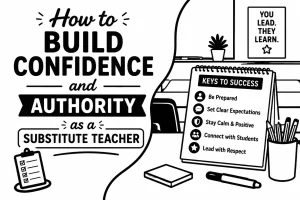
The first few minutes of class can determine the tone for the entire day. Students quickly assess whether a substitute teacher appears organized and confident. Setting clear expectations immediately helps reduce disruptions and confusion.
Dr. Harper explains that he introduces simple rules early, such as no shouting across the classroom and no talking while instructions are being given. Clear communication helps students understand boundaries and classroom expectations from the start.
Build Rapport With Students
One of the most effective teaching strategies is building genuine connections with students. Dr. Harper frequently walks around the classroom, asks students questions about assignments, and engages them in conversation. This approach helps students feel acknowledged rather than controlled.
One reason there is a gap between a substitute teacher and their students is that the teacher in place doesn’t seem to care much about their success.
The dynamics of the class change when Small conversations and respectful interactions occur, which significantly improve classroom behavior.
Follow the Teacher’s Lesson Plan Carefully
Permanent teachers leave lesson plans for a reason. Following those plans carefully demonstrates professionalism and respect for the classroom routine. Dr. Harper advises substitutes to review teacher notes closely, especially when they include information about specific student behaviors or classroom expectations.
Teachers often judge substitute performance based on classroom productivity and whether instructions were followed properly.
Is Substitute Teaching Worth It?
A common question people ask is, is substitute teaching worth it? The answer depends largely on your mindset and goals.
Substitute teaching is not an easy way to make a paycheck. The job requires emotional resilience, adaptability, classroom management skills, and patience. Some days will feel frustrating, especially when dealing with disrespectful students or challenging classroom environments.
However, the rewards can be meaningful. Dr. Harper describes moments when students responded positively simply because someone took the time to listen, encourage, or support them. Those interactions often remind substitute teachers why their role matters.
Why Empathy Matters in the Classroom?
One of the strongest messages throughout Dr. Harper’s manuscript is the importance of empathy. Students are often influenced by difficult home lives, social pressures, mental stress, and personal struggles that teachers may never fully see. As teachers, it is always our responsibility to reflect on our students’ situations before forming preconceived notions about them.
Successful substitute teachers understand that behavior problems are not always personal attacks. Instead of escalating situations emotionally, experienced substitutes focus on consistency, fairness, and understanding.
Conclusion
Substitute teaching is far more than a temporary classroom takeover where you are playing the role of a regular teacher. It is a role that demands leadership, flexibility, patience, and compassion. Dr. Jimmy R. Harper’s substitute teacher book, So You Want to Be a Substitute Teacher, offers realistic insights into both the rewards and difficulties of the profession.
For anyone searching for trustworthy substitute teaching advice, the key takeaway is simple: enter the classroom prepared to lead, connect, and adapt. Some days will challenge you, but others will remind you why educators matter so deeply in students’ lives.